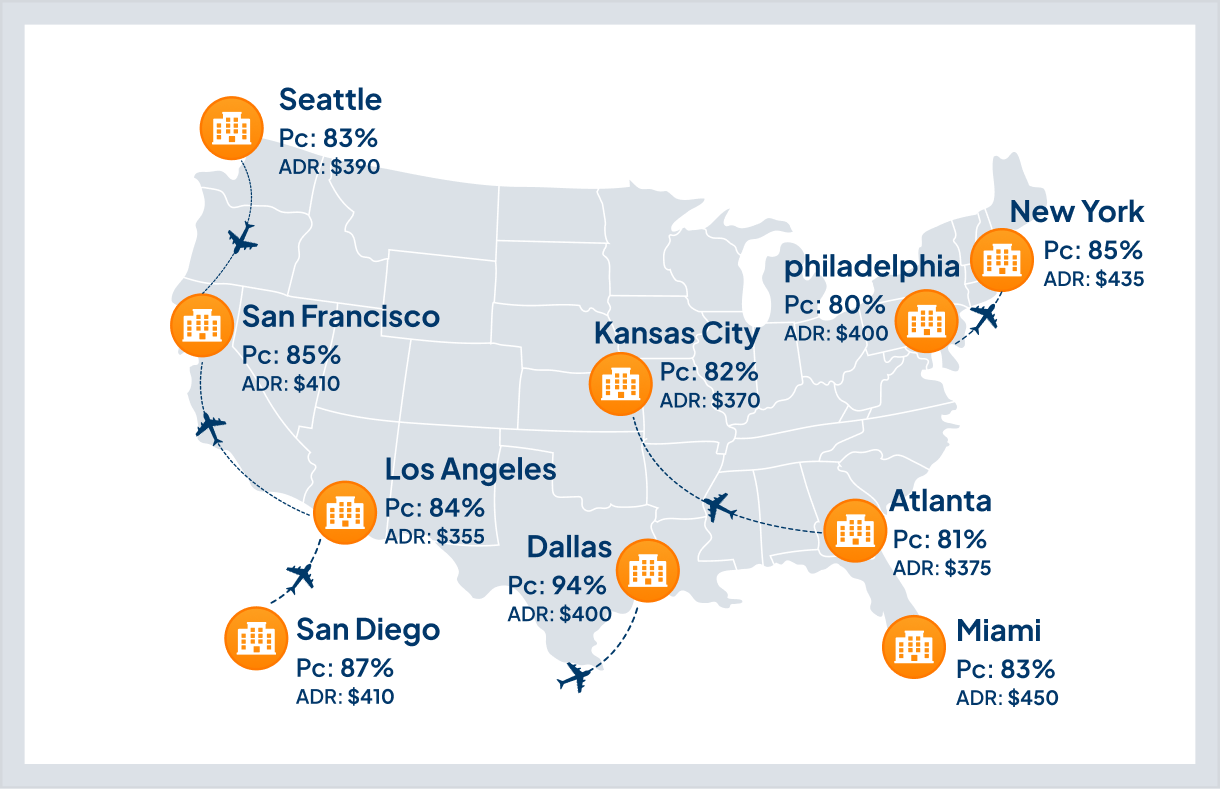
In the highly competitive hospitality industry, effective revenue management is crucial for maximizing profitability and ensuring long-term success. By implementing best practices in revenue management, hotels can optimize their pricing strategies, improve occupancy rates, and enhance guest satisfaction. Here are some key best practices for revenue management in the hospitality industry.
Understand Your Market and Customers
To develop an effective revenue management strategy, it’s essential to have a deep understanding of your market and customers. Conduct thorough market research to identify your target audience, analyze competitors, and understand the demand patterns in your region. Use this information to tailor your pricing and marketing strategies to attract and retain your ideal customers.
Implement Dynamic Pricing
Dynamic pricing allows hotels to adjust room rates based on real-time demand and supply conditions. By using sophisticated revenue management software, you can analyze various factors such as booking patterns, seasonality, events, and competitor pricing to set optimal room rates. This approach helps maximize revenue by charging higher rates during peak periods and offering discounts during low-demand periods.
Optimize Distribution Channels
Effective management of distribution channels is crucial for reaching a wider audience and maximizing bookings. Utilize a mix of direct and indirect channels, including your hotel website, online travel agencies (OTAs), global distribution systems (GDS), and social media platforms. Monitor the performance of each channel and adjust your distribution strategy to ensure optimal visibility and profitability.
- Negotiate favorable terms with OTAs and GDS providers.
- Invest in a user-friendly booking engine for your website.
- Track conversion rates and adjust marketing spend accordingly.
- Leverage social media advertising to target specific demographics.
Use Data Analytics
Data-driven decision-making is at the heart of successful revenue management. Leverage data analytics to gain insights into booking trends, customer preferences, and market conditions. Use this information to forecast demand, identify revenue opportunities, and make informed pricing decisions. Implementing a robust revenue management system (RMS) can help automate data analysis and provide real-time recommendations.
Focus on Customer Segmentation
Not all customers are the same, and segmenting your customer base can help tailor your offerings to different groups. Identify segments based on factors such as booking behavior, demographics, and purpose of travel (e.g., business, leisure, group). Customize your pricing, promotions, and services to meet the unique needs of each segment, enhancing guest satisfaction and loyalty.
Enhance Online Presence and Reputation
In today’s digital age, a strong online presence and positive reputation are vital for attracting guests. Optimize your website for search engines (SEO) to increase visibility and drive direct bookings. Encourage satisfied guests to leave positive reviews on platforms like TripAdvisor, Google, and social media. Respond promptly to reviews and address any negative feedback to build trust and credibility.
Train and Empower Your Team
Your staff plays a critical role in executing your revenue management strategy. Provide comprehensive training on revenue management principles, tools, and techniques. Empower your team to make data-driven decisions and encourage a culture of continuous improvement. Collaboration between revenue management, marketing, and operations teams is essential for achieving revenue goals.
Monitor and Adjust Strategies
Revenue management is not a set-it-and-forget-it process. Continuously monitor the performance of your strategies and make adjustments as needed. Stay updated on market trends, competitor actions, and changes in customer behavior. Regularly review your pricing, distribution, and marketing strategies to ensure they remain aligned with your business objectives.
Conclusion
By implementing these best practices, hotels can optimize their revenue management strategies and achieve sustainable growth. Understanding your market, leveraging data analytics, and maintaining flexibility in your approach are key to staying competitive in the ever-evolving hospitality industry. Focus on delivering exceptional value to your guests, and you’ll see positive impacts on both your revenue and reputation.