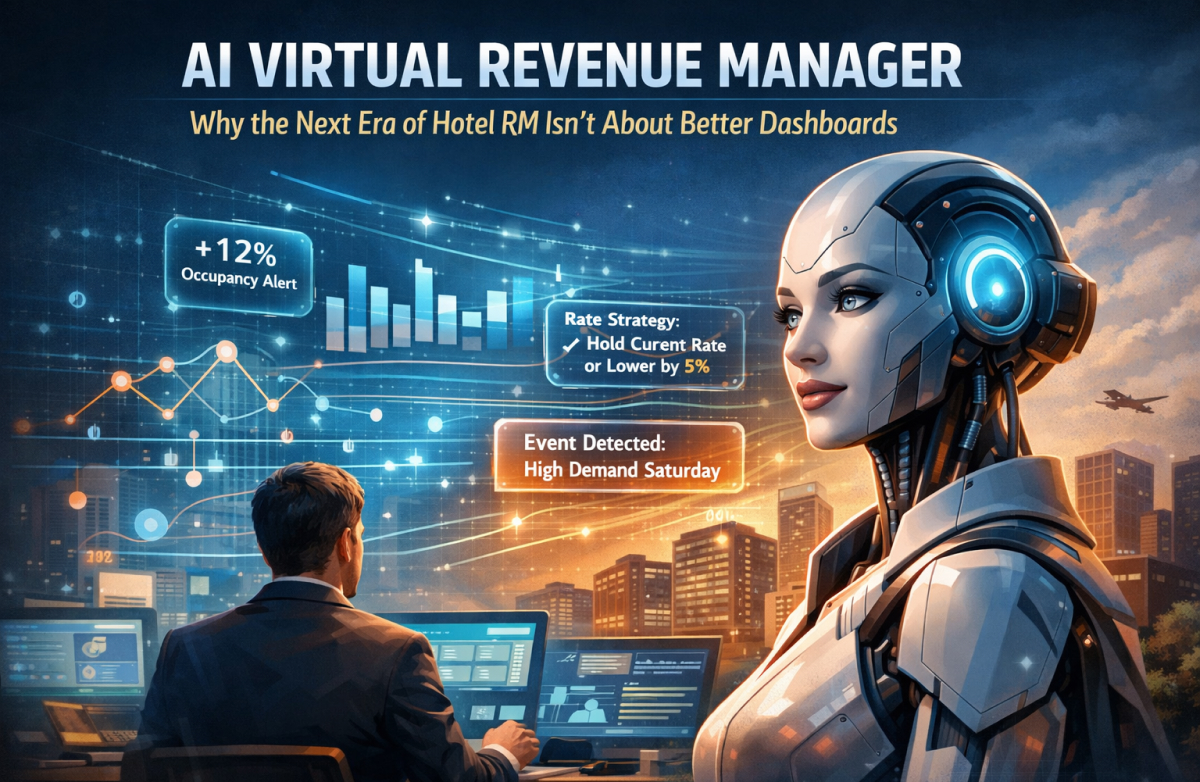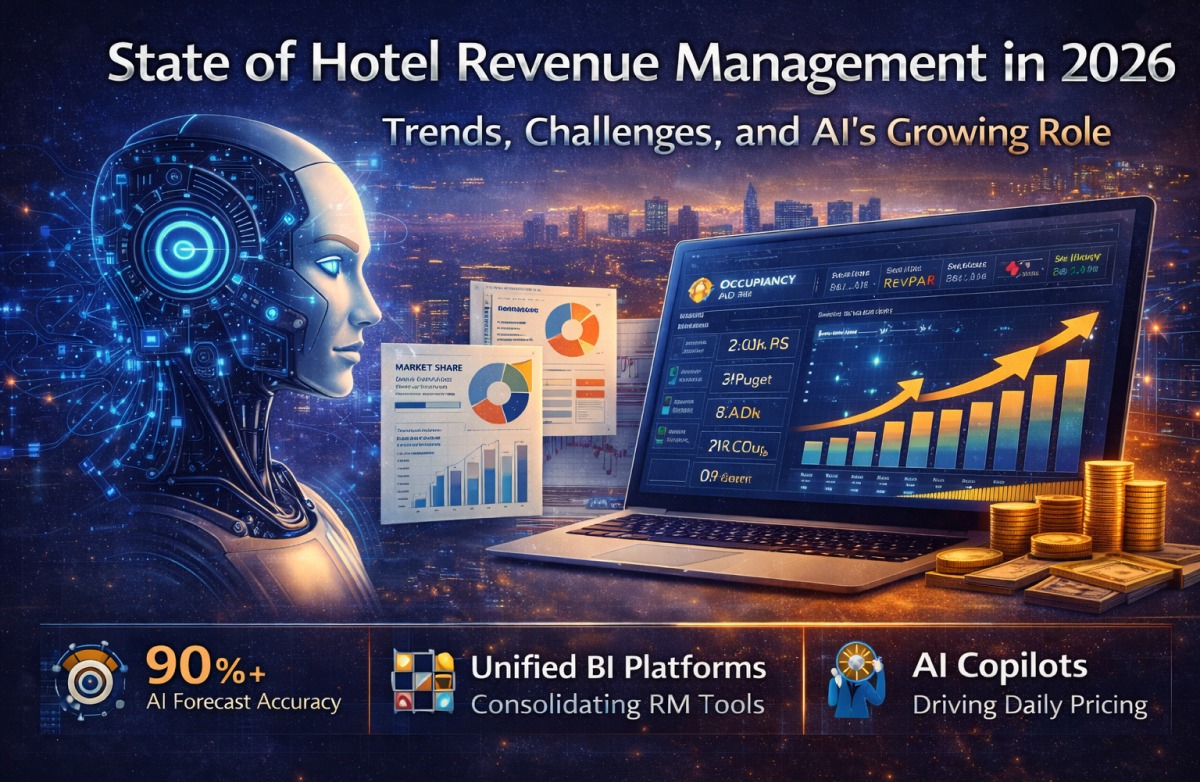
Revenue management is an ever-evolving field, driven by technological advancements, shifting market dynamics, and changing consumer behaviors. As we look towards the future, several key predictions and insights are shaping the landscape of revenue management, particularly in the hospitality industry. Understanding these trends can help hotels stay ahead of the curve and capitalize on emerging opportunities.
Increased Integration of Artificial Intelligence and Machine Learning
The integration of Artificial Intelligence (AI) and Machine Learning (ML) is set to become even more prevalent in revenue management. Future systems will likely feature advanced AI algorithms capable of analyzing more complex datasets and providing even more precise forecasting and pricing recommendations. AI will drive deeper insights into guest behavior, enabling highly personalized pricing strategies and promotional offers. Additionally, machine learning models will continuously evolve, becoming more adept at predicting market trends and optimizing revenue.
Enhanced Personalization Through Data Analytics
As data analytics technology advances, hotels will be able to deliver even more personalized guest experiences. Future revenue management systems will leverage comprehensive guest profiles, including preferences, past behaviors, and social media interactions, to tailor offers and pricing strategies. This enhanced personalization will not only improve guest satisfaction but also increase conversion rates and drive higher revenue per guest.
Real-Time Dynamic Pricing and Rate Optimization
The future of revenue management will see a continued emphasis on real-time dynamic pricing. Advanced systems will use real-time data feeds from multiple sources, such as local events, weather conditions, and competitor pricing, to continuously adjust rates. This will allow hotels to optimize pricing with greater accuracy, respond quickly to market changes, and maximize revenue opportunities.
Greater Emphasis on Omnichannel Revenue Management
Omnichannel revenue management will become increasingly important as hotels seek to harmonize their pricing and promotional strategies across multiple distribution channels. Future systems will integrate data from direct bookings, online travel agencies (OTAs), and global distribution systems (GDS) to ensure consistent pricing and optimize revenue across all channels. This approach will help hotels avoid rate disparities and enhance overall revenue management efficiency.
Integration with Guest Experience Management Systems
Revenue management will increasingly intersect with guest experience management. Future systems will integrate with tools that track and analyze guest satisfaction, feedback, and engagement. By linking revenue management strategies with guest experience data, hotels can better understand the impact of pricing and promotions on guest satisfaction and make adjustments to enhance both revenue and guest experience.
Sustainability and Ethical Pricing Practices
Sustainability and ethical considerations will play a larger role in revenue management. Hotels are likely to adopt pricing strategies that reflect their commitment to sustainable practices and social responsibility. Future revenue management systems may include features that allow hotels to offer discounts or incentives for environmentally conscious choices or support local communities, aligning pricing strategies with broader corporate values.
Advanced Forecasting Techniques
Future revenue management systems will utilize more sophisticated forecasting techniques, incorporating a wider range of variables such as macroeconomic indicators, geopolitical events, and emerging market trends. These advanced forecasting models will provide hotels with more accurate demand predictions, allowing for better-informed pricing and inventory decisions.
Increased Use of Blockchain Technology
Blockchain technology may find applications in revenue management, particularly in enhancing transparency and reducing fraud. Blockchain could be used to securely track transactions, verify pricing integrity, and streamline payment processes. This technology has the potential to improve trust and efficiency in revenue management practices.
Focus on Customer Lifetime Value
Future revenue management strategies will place a greater emphasis on customer lifetime value (CLV). Hotels will focus on building long-term relationships with guests rather than just maximizing revenue from individual transactions. This approach will involve using data to understand guest preferences and behaviors, offering loyalty programs, and creating personalized experiences that encourage repeat bookings and increase overall CLV.
Adaptive Revenue Management Strategies
The ability to quickly adapt to changes in market conditions will be crucial. Future revenue management systems will offer more flexible and adaptive strategies, allowing hotels to quickly respond to disruptions, such as economic downturns or sudden spikes in demand. These adaptive strategies will help hotels maintain revenue stability and resilience in the face of uncertainty.
Conclusion
The future of revenue management is poised to be shaped by advanced technologies, increased data integration, and a greater focus on personalization and sustainability. By staying abreast of these trends and adopting innovative practices, hotels can enhance their revenue management strategies, improve guest satisfaction, and achieve greater profitability. Embracing these future predictions and insights will be key to thriving in the evolving hospitality landscape.