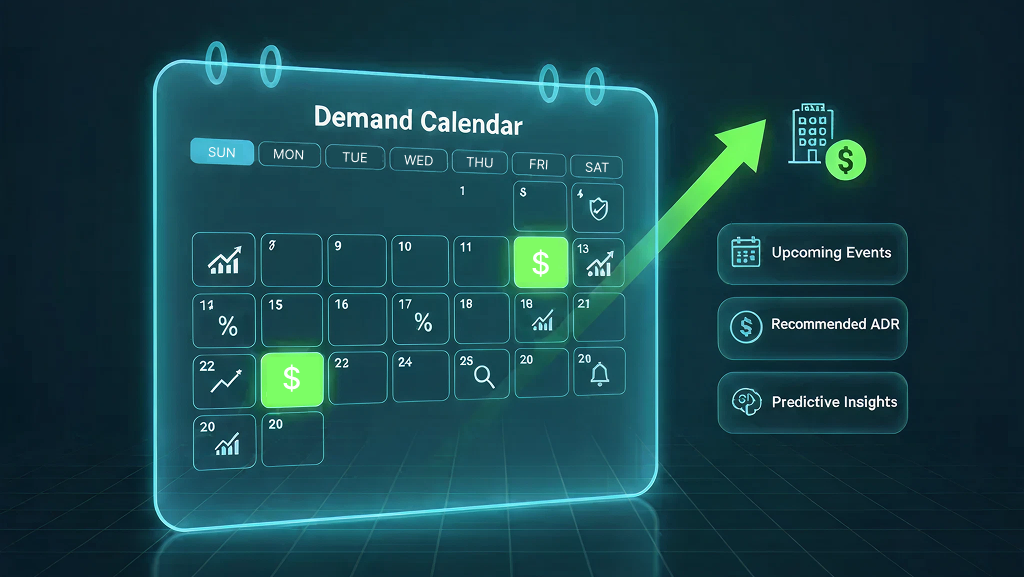
In today’s digital age, data is a crucial asset for any business, and the hospitality industry is no exception. With the vast amounts of data generated from various sources, hotels can leverage data analytics to make informed decisions and optimize their revenue management strategies. Harnessing the power of data analytics in revenue management enables hotels to maximize profitability, enhance guest satisfaction, and stay ahead of the competition. Here’s how you can effectively use data analytics in revenue management.
Understanding the Basics of Data Analytics
Data analytics involves collecting, processing, and analyzing data to extract meaningful insights. In the context of revenue management, it helps hotels understand demand patterns, customer behavior, and market trends. By transforming raw data into actionable insights, hotels can make data-driven decisions to improve pricing, distribution, and marketing strategies.
Key Benefits of Data Analytics in Revenue Management
Implementing data analytics in revenue management offers several benefits:
- Accurate Demand Forecasting: By analyzing historical data and market trends, hotels can accurately forecast demand, allowing for better inventory and pricing decisions.
- Optimal Pricing Strategies: Data analytics helps identify the optimal pricing strategies by considering factors such as demand, competition, and seasonality.
- Enhanced Customer Segmentation: Hotels can segment customers based on booking behavior, preferences, and demographics, enabling personalized marketing and improved guest experiences.
- Increased Operational Efficiency: Data analytics streamlines operations by providing insights into resource allocation, staffing needs, and inventory management.
Types of Data to Analyze
To effectively harness the power of data analytics, hotels should focus on analyzing various types of data. Historical data, such as past booking patterns and occupancy rates, provides insights into trends and performance. Market data, including competitor pricing and economic indicators, helps hotels stay competitive and responsive to external factors. Customer data, such as guest preferences and booking channels, enables personalized marketing and improved guest experiences. Operational data, including staff performance and inventory levels, helps optimize day-to-day operations. Additionally, review and feedback data from online platforms offer valuable insights into guest satisfaction and areas for improvement.
Tools and Technologies for Data Analytics
Several tools and technologies can help hotels leverage data analytics for revenue management. Revenue Management Systems (RMS) analyze historical and real-time data to provide pricing recommendations and demand forecasts. Customer Relationship Management (CRM) systems manage and analyze customer interactions and data throughout the guest lifecycle. Business Intelligence (BI) tools, like Tableau, Power BI, and Google Data Studio, enable data visualization and reporting. Predictive analytics software uses machine learning algorithms to predict future demand and customer behavior, helping hotels stay ahead of trends.
Steps to Implement Data Analytics in Revenue Management
Implementing data analytics in revenue management involves several key steps. First, collect data from various sources, such as property management systems (PMS), CRM systems, and online review platforms. Integrate this data into a unified system to ensure easy access and analysis. Next, clean the data to ensure accuracy by removing duplicates, correcting errors, and standardizing formats. Analyze the data to identify patterns, trends, and correlations. Generate actionable insights based on the analysis to inform decision-making. Develop pricing, distribution, and marketing strategies based on these insights, and continuously monitor performance to make necessary adjustments.
Real-World Applications of Data Analytics in Revenue Management
Data analytics has numerous real-world applications in revenue management. Dynamic pricing, for example, involves adjusting room rates in real time based on demand fluctuations, competitor pricing, and market conditions. Personalized marketing leverages customer segmentation and preferences to create targeted campaigns that resonate with specific guest groups. Demand forecasting predicts future demand to optimize inventory management and staffing levels. Performance benchmarking compares metrics with competitors to identify strengths and areas for improvement.
Overcoming Challenges in Data Analytics
While data analytics offers numerous benefits, hotels may face challenges in implementation. Data silos, or isolated data sources, can hinder comprehensive analysis. Integrating data from various systems is crucial for a unified view. Data quality issues, such as inaccuracies or incompleteness, can lead to incorrect insights. Regular data cleaning and validation are essential to ensure reliability. Skill gaps, or a lack of expertise in data analytics, can be a barrier. Investing in training or hiring skilled professionals can help address this challenge. Additionally, implementing data analytics tools and systems can be costly, but the long-term benefits often outweigh the initial investment.
Conclusion
Harnessing the power of data analytics in revenue management is no longer optional but a necessity for hotels aiming to thrive in a competitive market. By leveraging data analytics, hotels can make informed decisions, optimize their revenue strategies, and enhance guest experiences. Embracing this data-driven approach will not only improve profitability but also ensure long-term success in the ever-evolving hospitality industry.