Introduction
Inventory control is the backbone of effective revenue optimization. In the hotel industry, this isn’t just about tracking available rooms; it’s about strategically deciding which rooms to sell, when to sell them, and through which channels, all while controlling costs. For revenue managers, getting this right can mean the difference between underperformance and peak profitability.
Inventory Control Strategies
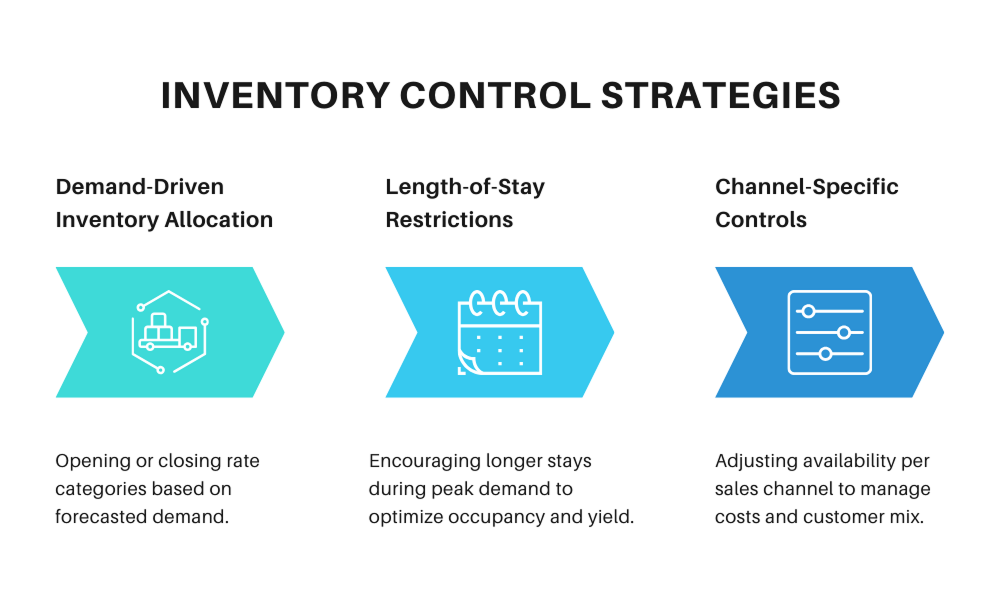
Successful inventory control relies on anticipating demand patterns and matching them with available capacity. Strategies often include:
- Demand-Driven Inventory Allocation – Opening or closing rate categories based on forecasted demand.
- Length-of-Stay Restrictions – Encouraging longer stays during peak demand to optimize occupancy and yield.
- Channel-Specific Controls – Adjusting availability per sales channel to manage costs and customer mix.
Understanding Channel Costs
Not all bookings are created equal. Direct bookings often have lower acquisition costs compared to OTA or wholesaler channels, which carry commission fees. A strong revenue strategy evaluates:
- Variable Costs by Channel – Marketing fees, reservation commissions, and loyalty program expenses.
- Cost-to-Acquire Analysis – Comparing net revenue across booking sources to prioritize profitable channels.
Variable Marketing & Reservation Fees
Some distribution channels, such as metasearch engines or paid OTA placements, can drive significant bookings but at a cost. Revenue managers must weigh:
- Marketing ROI – Ensuring campaigns deliver incremental, not just shifted, bookings.
- Fee Thresholds – Setting clear limits to avoid eroding profit margins.
Stay Pattern Management
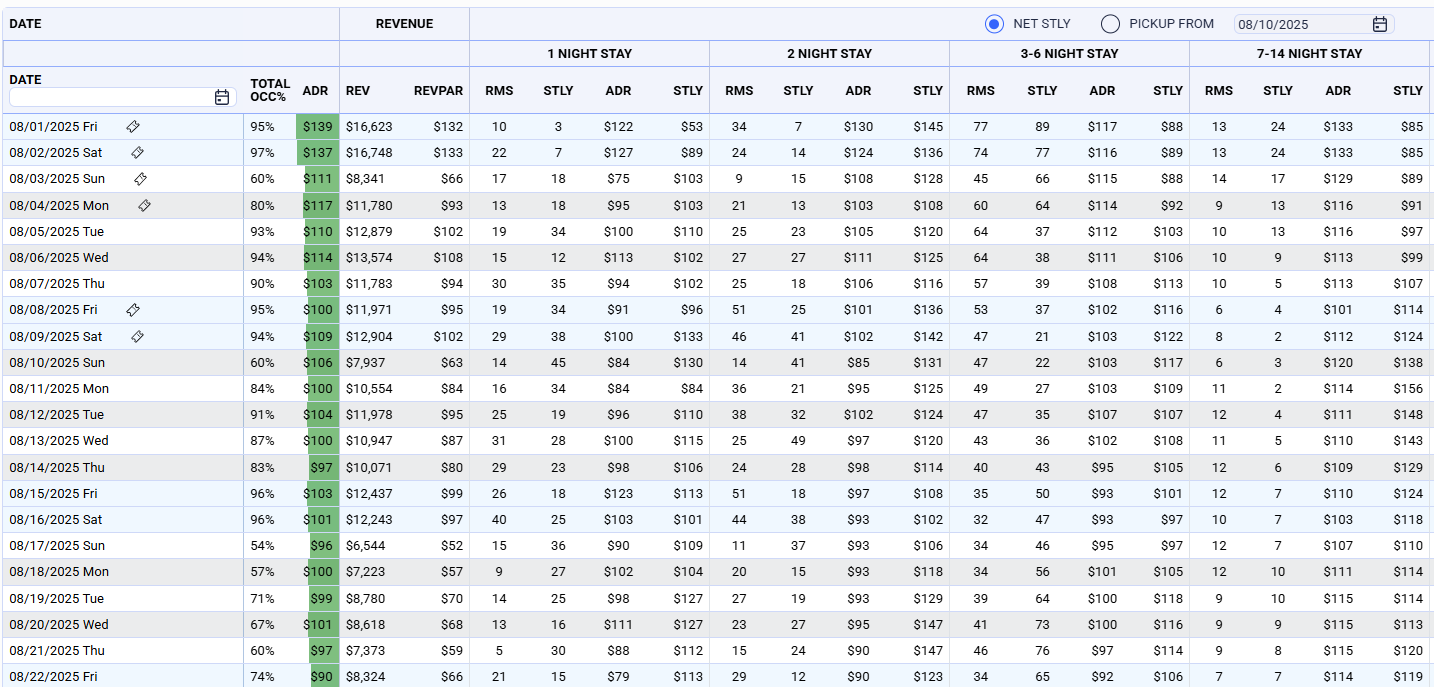
Guest stay patterns can drastically impact revenue potential. By analyzing historical data, hotels can:
- Optimize Arrival/Departure Patterns – Reduce single-night gaps that block longer bookings.
- Promote Shoulder Nights – Incentivize stays before or after high-demand days.
Channel Management
The ability to control rates, availability, and restrictions across multiple platforms in real time is vital. Overexposing inventory to low-margin channels can dilute profitability, while underexposing can mean lost opportunities.

Overbooking by Room Type
Strategic overbooking helps offset last-minute cancellations and no-shows. By monitoring historical patterns and segment behavior, overbooking can boost occupancy without harming guest satisfaction.
Managing Group Blocks
Group business can be highly profitable but also risky if rooms are blocked and unused. Proactive management includes:
- Cut-off Dates – Releasing unsold group inventory back into general availability.
- Attrition Clauses – Protecting revenue from late cancellations.
RevEvolve’s Advantage
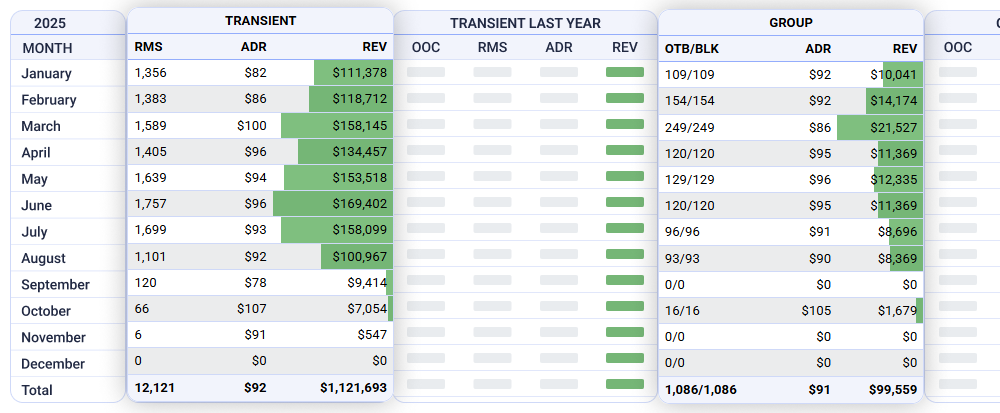
RevEvolve integrates AI-powered demand forecasting, channel cost tracking, and inventory optimization tools to empower revenue managers to make timely, profitable decisions. Its dynamic dashboard provides:
- Market segment-wise availability insights
- Real-time channel profitability tracking
- AI-driven overbooking and group block recommendations
With RevEvolve, hotels can balance occupancy and profitability, ensuring the right room is sold to the right guest, through the right channel, at the right price.
What to Expect in This Series
We’ve organized the series into two powerful sections:
Your Shift from Revenue Management to Revenue Strategy Starts Now.
Join the Journey with RevEVOLVE.ai – Exclusive Blogs, Brochures & Insights.
 sales@hotelswitchboard.com
 (855) 444-3967